
Early in August, I wrote of the best non-intimidating games I found at Gen Con 2025, the annual tabletop convention that is the largest in this hemisphere.
But while the hunt for such games for that annual story focuses on the new, the reality is that there are games each year that slip by my radar. That’s only natural with more than an estimated 400 new games launched at the con combined with far more that found their way to tables elsewhere in the year.
So I thought I’d take the time today to praise some great games that aren’t part of the cult of the new. And to issue a blanket thank-you to those who introduced me to these A-listers.
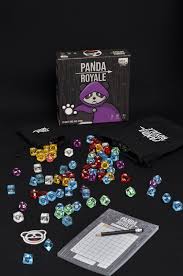
Panda Royale (Last Night Games, 2024)
In spite of the sad creature on the box, this one doesn’t really have anything to do with pandas. What it does have to do with is dice chucking. Players start round 1 by rolling a standard six-sided dice. In each round, though, a new die is drafted. Different colored dice have differed values and different ways of scoring. Some even allow you to swap dice with other players. Over ten rounds, your dice pool grows and decisions need to be made about where to specialize as well as how much to push your luck (some dice can lead to negative points). It all adds up to themeless, panda-free fun — and, often when I’ve played, an unpredictable finish when the scores are added.

Project L (Boardcubator, 2020)
This one doesn’t even try to attach a theme. instead, it’s pure abstract strategy as you try to complete carved out puzzles by filling in Tetris-ish shapes. The pieces are ranked by number of squares they occupy and each players starts with two. For each three-action turn, you can add puzzles to your collection, take level-1 square pieces, upgrade pieces to the next level, or place pieces you already own onto your puzzles. Once per turn, you can also do a master action, which allows you to put a piece into each puzzle you are working on. When completing a puzzle, you keep the pieces used and earn more pieces, victory points, or both. Elegantly designed with no unnecessary frills, Project L plays up to four players and allows for solo play challenges.
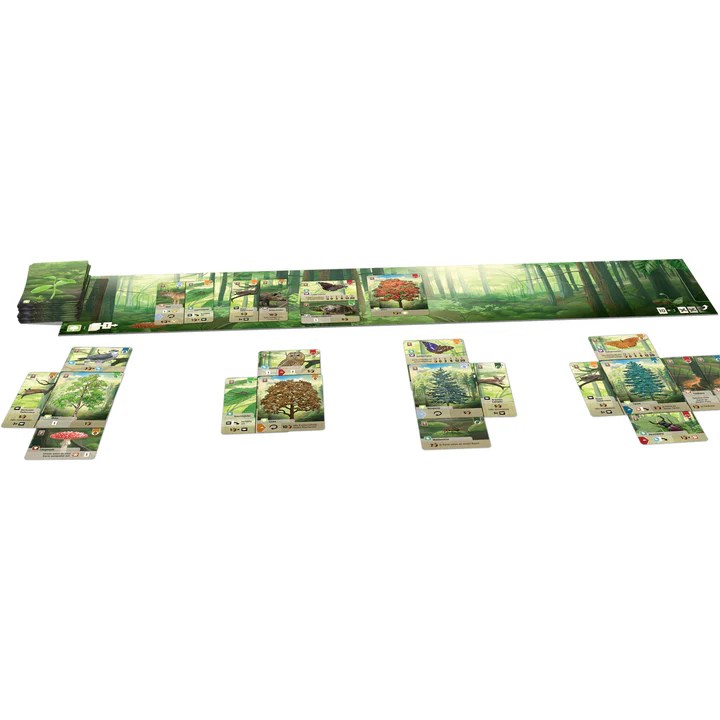
Forest Shuffle (Lookout Games, 2023)
At Gen Con over the past few years, nature-focused games seem to rival dungeon crawls and superhero games in quantity and popularity. But somehow it took me two years to encounter this tableau-building winner. The goal is to build a thriving, populated forest by planting tree cards and populating them above, below, and on either side with flora and fauna. The game play is simple. You draw from the deck or from the clearing or play cards from your hand. To do the latter, most cards require you to spend other cards, which means putting them into the clearing and making them accessible to pick up by you or your opponents in future turns. Combos are key here and play certain combos allow or additional actions and/or higher points. I’ve won with a heavy tree-planting strategy and lost doing the same. Ditto for emphasizing deer over other animals. The dynamics of the discard system means constantly reevaluating your options. And the end game — which happens when a third winter card is revealed in the deck — gives the final turns a very real sense urgency. Forest Shuffles is probably the game I’ve played the most in the past few months both at the table and online at Board Game Arena.
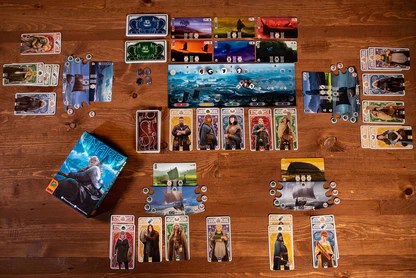
Knarr (Pandasaurus, 2023)
There’s a lot of game packed into this small box. In it, you are forming a band of Vikings, recruiting them into your tableau. Each one you take has an asset attached to it, which gives you either a victory point, a move up on a reservation track, on a token representing a bracelet or a recruit. Add another Viking of the same color and you acquire all of the assets in that color. The tokens have a limit of three, but they can be cashed in to help acquire more Vikings or select destinations, which increase the power of your bracelets to acquire even more points, recruits, etc. The game moves swiftly with each players soon having to make tough decisions about when to cash in Vikings and tokens for those destinations. Smart play can lead to late-game surges — frustrating when you are the other player but glorious when it’s you.
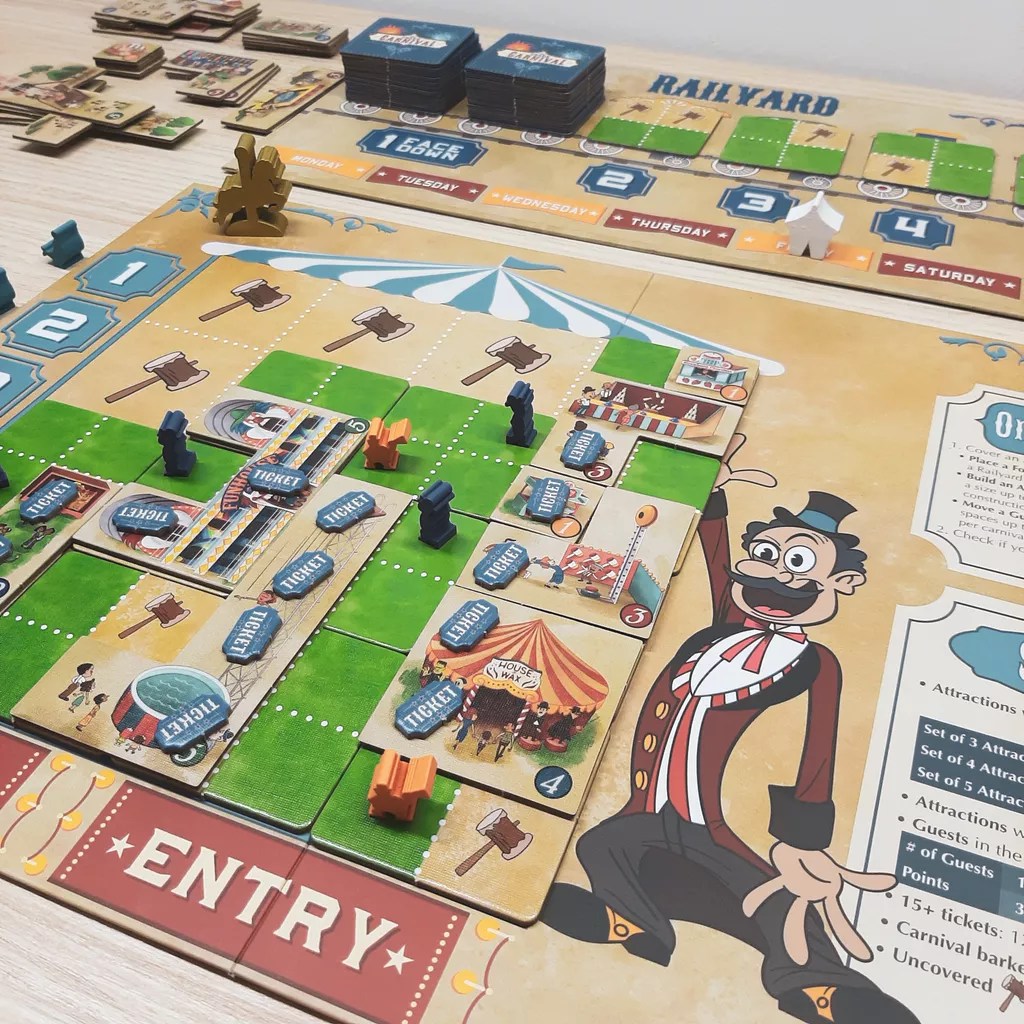
The Grand Carnival (Uproarious Games, 2020)
Like most avid gamers, I have a shelf of shame.
For those unfamiliar, that’s a reference to the games one has acquire that one has yet to actually play. Games can arrive there for multiple reasons. They may have been included in a game trade. They may have been purchased with the hope of eventually play but always pushed to the back of the line. They may have been gifts. They might have been review copies. In the case of The Grand Carnival, a multi-game trade is how this one found its way into my collection. And in spite of the playful packaging and fun theme idea — building a carnival — in sat on my shelf (okay, shelves) of shame for nearly a year before I brought it to the table.
Since then, I’ve played it multiple times and taught it to at least a dozen people, all of whom enjoyed it.
Unlike other build-a-park games, this one requires you to first acquire foundation tiles which mix construction sites with pathways. On future turns you can add attractions to your growing foundation tableau. Another option is to move guests into the park, attaching tickets when they encounter a built attraction. End game points are scored from sets of same-size attractions, having a variety of attraction sizes, getting your guests to the big top at the top of the board, having at least 15 tickets, and hiring carnival barkers. But you lose points for every square of foundation that has not been built on. There are minor bonus cards in the mix as well. I regret that this one sat on the shelf for so long but look forward to teaching and playing it again soon.
 louharry.com